Keynote Speakers 2026
Joseph Miano, PhD
Joseph Miano, PhD
Joseph Miano, PhD

Dr. Joseph Miano is the J. Harold Harrison, MD, Distinguished University Chair in Vascular Biology at the Medical College of Georgia at Augusta University. He received his BS in Biology and Exercise Science at
SUNY Cortland where his research began in atherosclerosis following a chance meeting with famed
lipidologist, Donald Zilversmit. His PhD in Experimental Pathology was with Michael Stemerman (early pioneer
in balloon injury) at New York Medical College. His post-doctoral training was with National Academy of
Science Member Eric Olson at the University of Texas MD Anderson Cancer Center. In Houston, Dr. Miano
spear-headed a number of projects related to the definition of vascular smooth muscle cell-restricted
genes/promoters and the role of retinoids in smooth muscle cell phenotypes. Dr. Miano was an Associate
Editor of ATVB, a Consulting Editor of Circulation Research, and is currently the Editor-in-Chief of Vascular
Pharmacology. He has published more than 150 peer-reviewed papers, delivered more than 200 invited
lectures, and has been funded by the NIH, AHA, and philanthropic foundations. His awards include the Martha Lucas Pate PhD Memorial Award, the Manitowoc Heart-A-Rama Research for Life Award, and the ATVB
Special Recognition Award in Vascular Biology. The Miano Lab focuses on developing genetically engineered
mice and was the first lab to apply CRISPR and prime editing to interrogate regulatory control elements in the
mouse genome. In recent years, Dr. Miano’s development, characterization, and distribution of the Itga8-CreER T2 mouse has enabled a wave of new models – including a novel coronary atherosclerosis model – that were previously unattainable due to lethal visceral myopathies of the gastrointestinal tract. Challenges posed by these confounding gastrointestinal phenotypes prompted a new research direction in modeling and engineering strategies to mitigate rare genetic visceral myopathies.
For more information please visit:
Hanjoong Jo, PhD
Joseph Miano, PhD
Joseph Miano, PhD
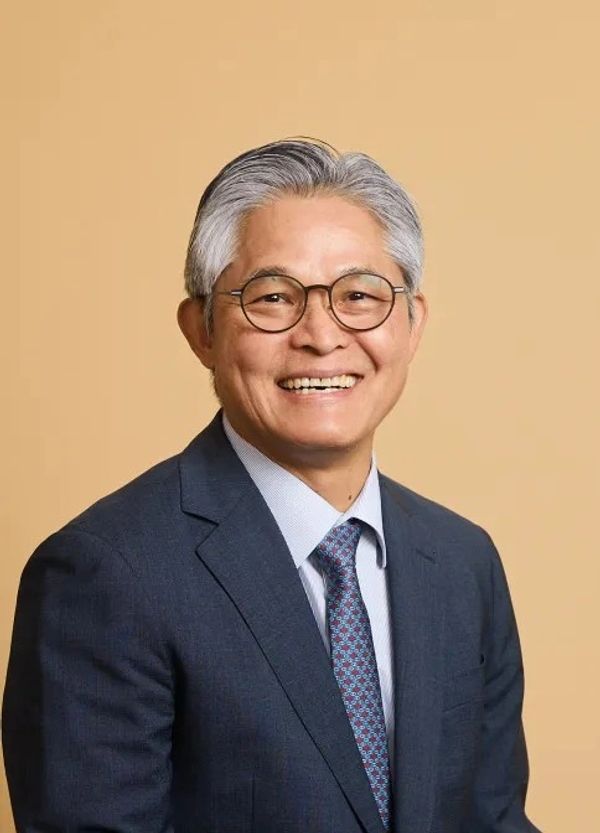
Professor Hanjoong Jo is Wallace. H. Coulter Distinguished Faculty Chair Professor and Associate Chair in the Coulter Department of Biomedical Engineering (BME) at Emory University and Georgia Institute of Technology and the Department of Medicine at Emory. He is also the Director of the Cardiovascular Biomechanics T32 Graduate Training Program at Emory and Georgia Tech. Dr. Jo directs the Cardiovascular Mechanobiology, Therapeutics, and Nanomedicine Lab in the Coulter BME Department, where he studies how blood flow regulates vascular endothelial function, inducing or preventing atherosclerosis, the leading cause of heart attack and ischemic stroke. His team develops novel mRNA- and microRNA-based therapeutics, as well as gene and drug delivery using nanoparticles, to prevent and treat cardiovascular disease. Dr. Jo has trained over 35 PhDs, 36 postdoctoral fellows, and 70 undergraduates, many of whom have gone on to become leaders in universities, industries, and government. He is an elected fellow of the American Association of Advancement Science, BME Society, American Institute of Medical and Biomedical Engineers, American Heart Association, and American Physiological Society. He received a Marshall Distinguished Investigator Award from the British Society of Cardiovascular Research and the Shu and KC Chien Distinguished Lectureship. He has served as an Editorial Board Member and Associate Editor of many high-impact journals. Dr. Jo served as the Chair of the 2012 Annual BME Society Meeting, the 2023 Gordon Research Conference in Biomechanics of Vascular Biology and Disease, and the International Symposium in Biomechanics in Cardiovascular Diseases three times. Dr. Jo has served as the founding president of the Korean-American Biomedical Engineering Society (KBMES) and as the founding co-organizer of the US-Korea BME Workshop, now an annual feature of the BMES meeting. He also provided significant leadership for KSEA, including his service as Vice President and Chair of the Convergence Symposium at the US-Korea Conference three times. Prof. Jo received the 2025 KSEA Scientist of the Year Award.